Hyderabad's Rajiv Gandhi International Airport introduces ‘Park and Fly’ service
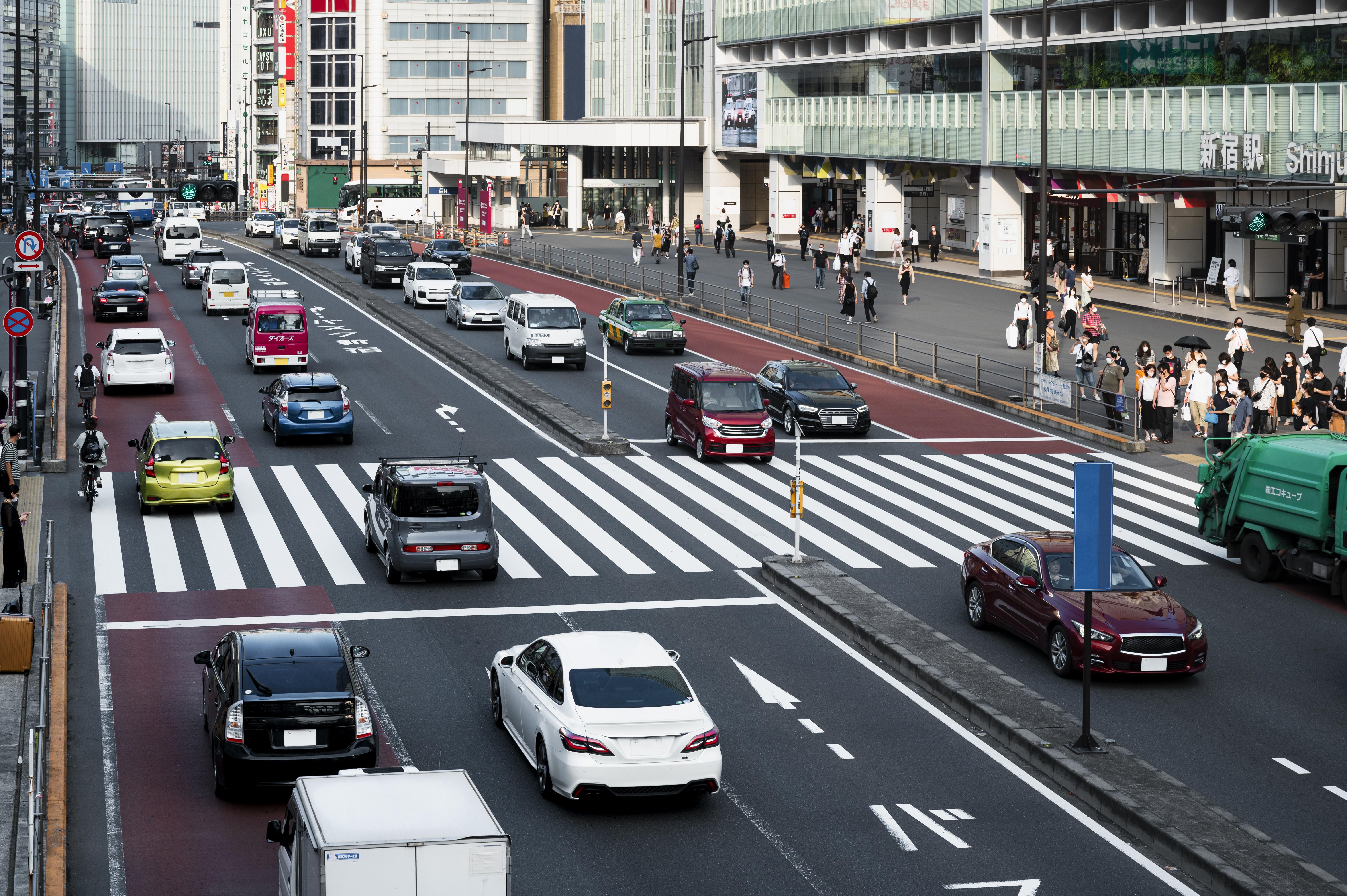
Rajiv Gandhi International Airport has introduced a new “Park and Fly” service aimed at improving convenience for air travellers using private vehicles. The facility allows passengers to pre-book parking slots online and leave their vehicles at dedicated parking zones before flying. Designed especially for short-duration and same-day travellers, the service offers flexible parking durations, digital payment options, and valet support. Airport authorities said the initiative is intended to streamline landside traffic movement, reduce parking congestion, and enhance passenger experience through smarter parking management.
Source : New Indian Express
Mumbai-Pune Expressway Missing Link opens to motorists
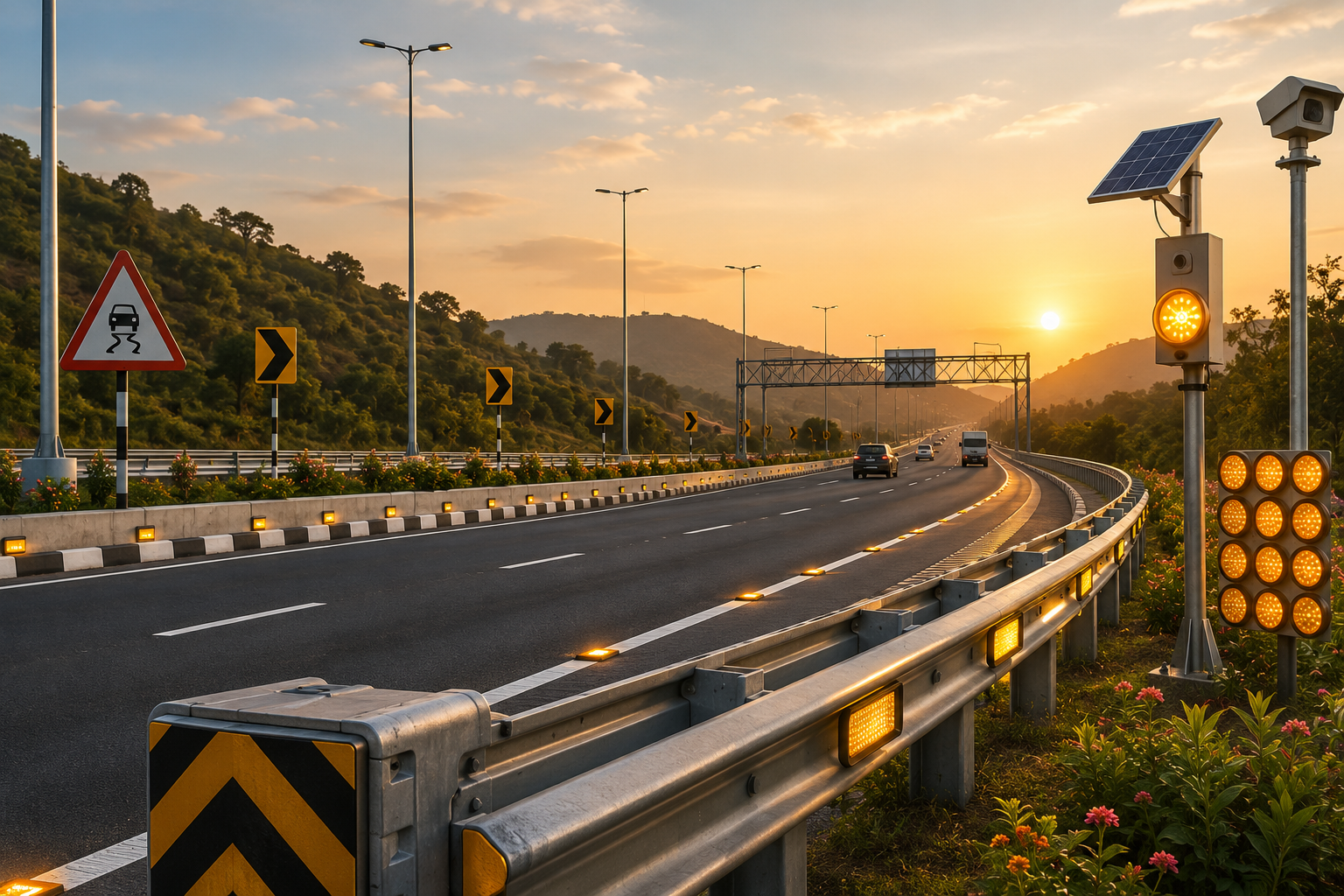
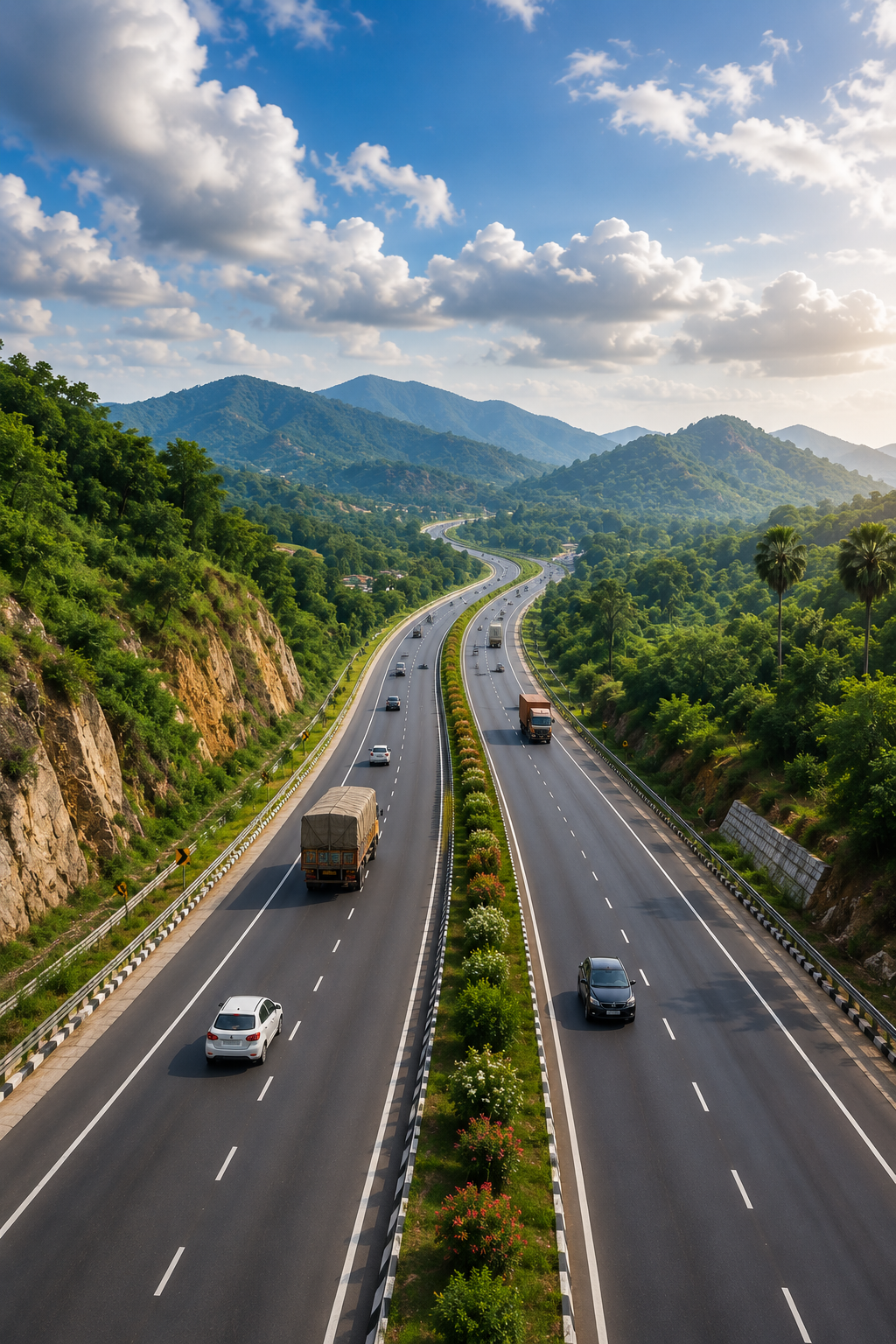
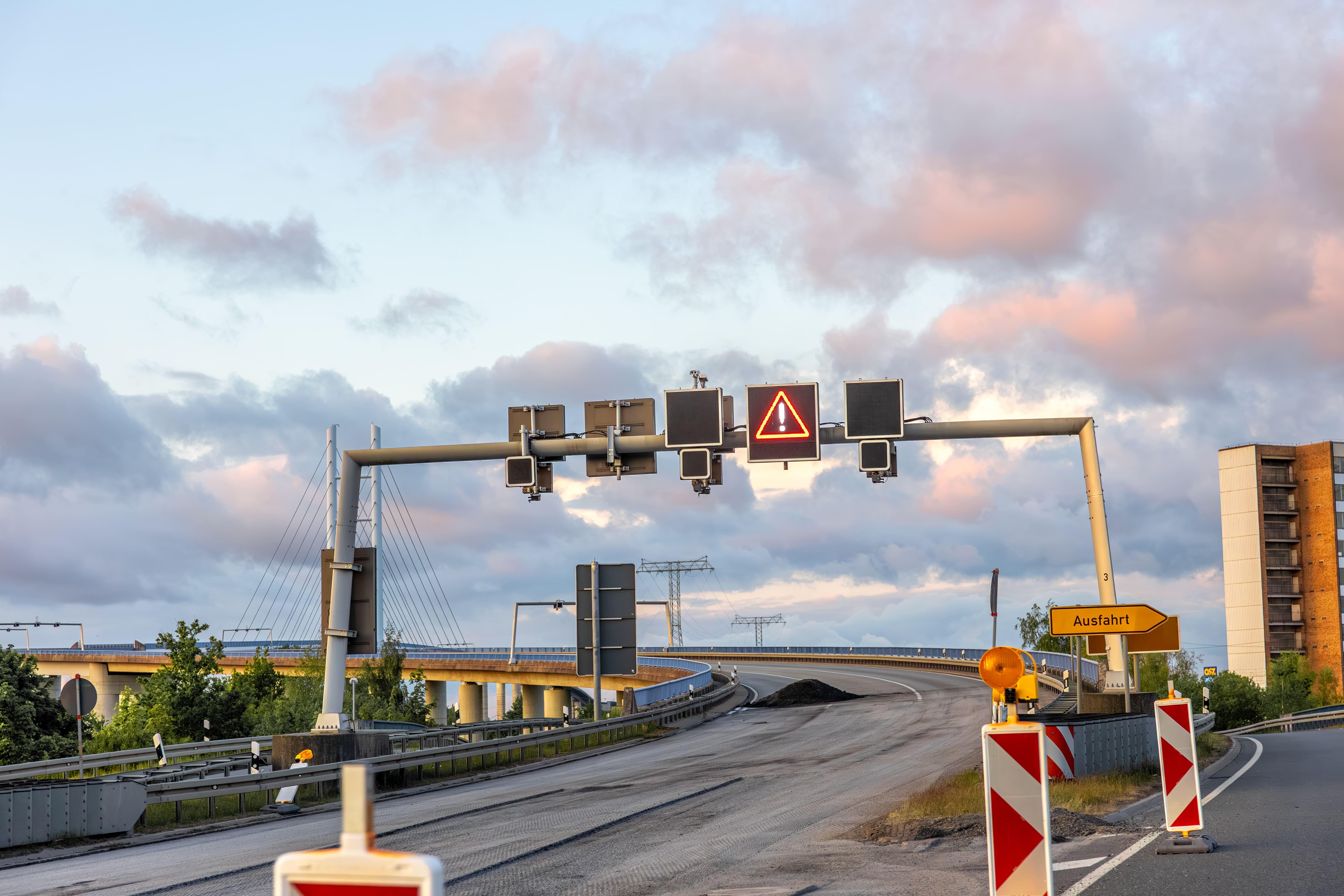
The newly opened Mumbai–Pune Expressway Missing Link is set to significantly improve travel efficiency and safety between the two cities. The 13.3 km bypass connects Khopoli and Kusgaon, reducing travel distance by nearly 6 km and cutting journey time by 20–30 minutes. Designed to bypass the accident-prone Khandala Ghat section, the project features advanced infrastructure including long tunnels, viaducts, and India’s tallest cable-stayed road bridge. Authorities have introduced strict safety measures such as CCTV surveillance, SOS systems, and speed limits of 100 kmph for cars and 80 kmph for buses. Initially, only light vehicles and passenger buses will be permitted on the new stretch.
Source : Economic Times
LiDAR-Driven MLFF System Goes Live on National Highways
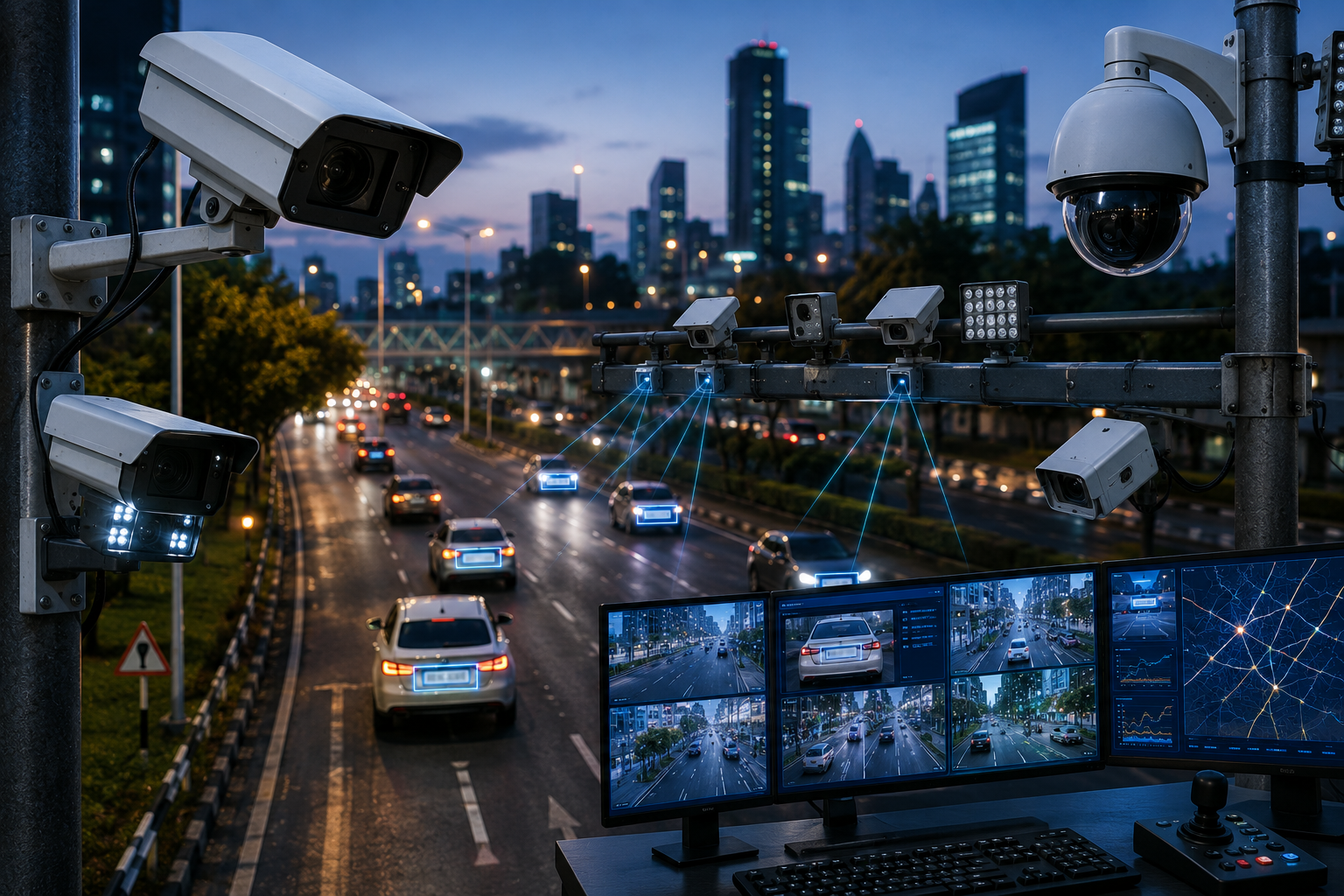
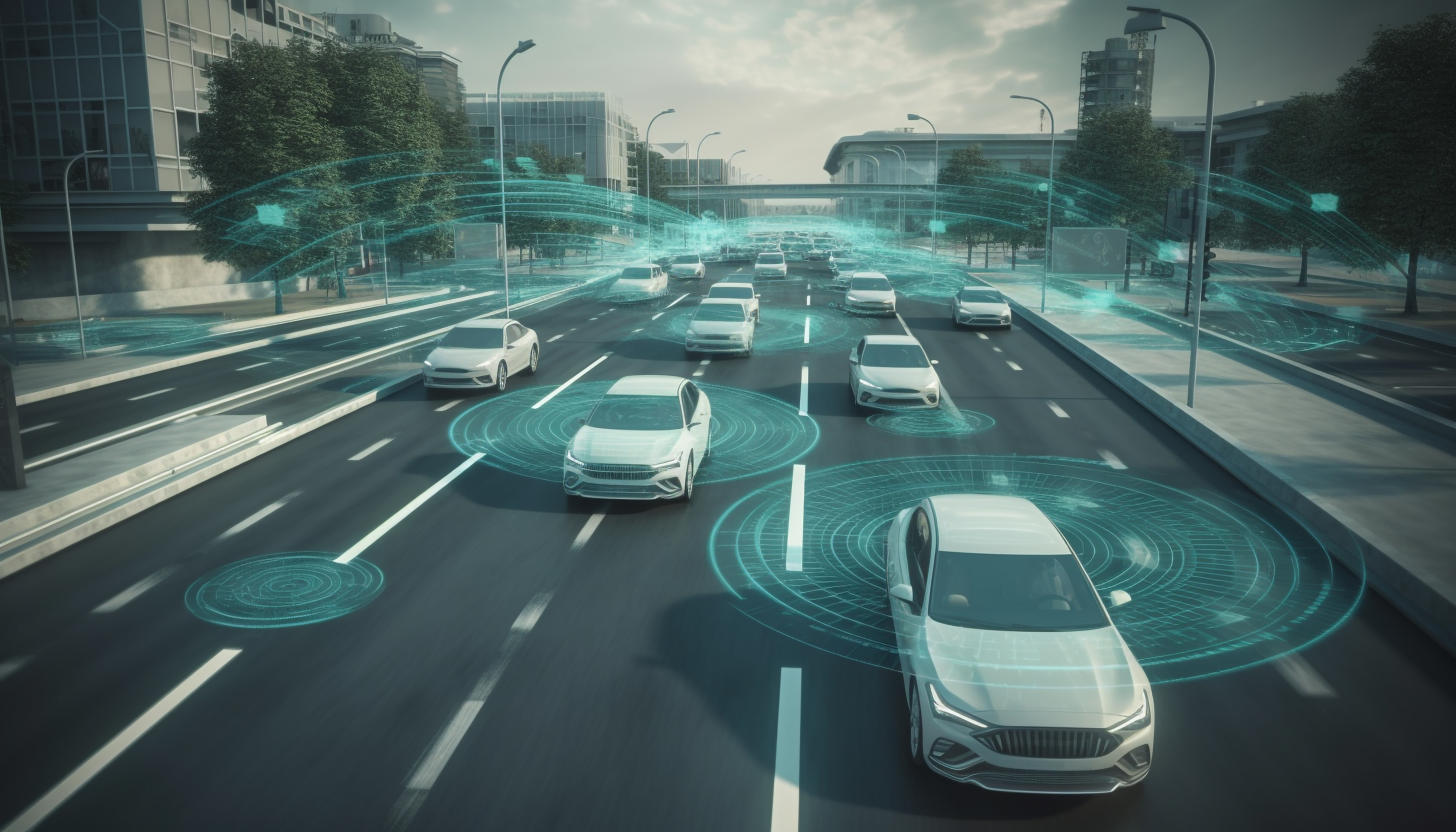
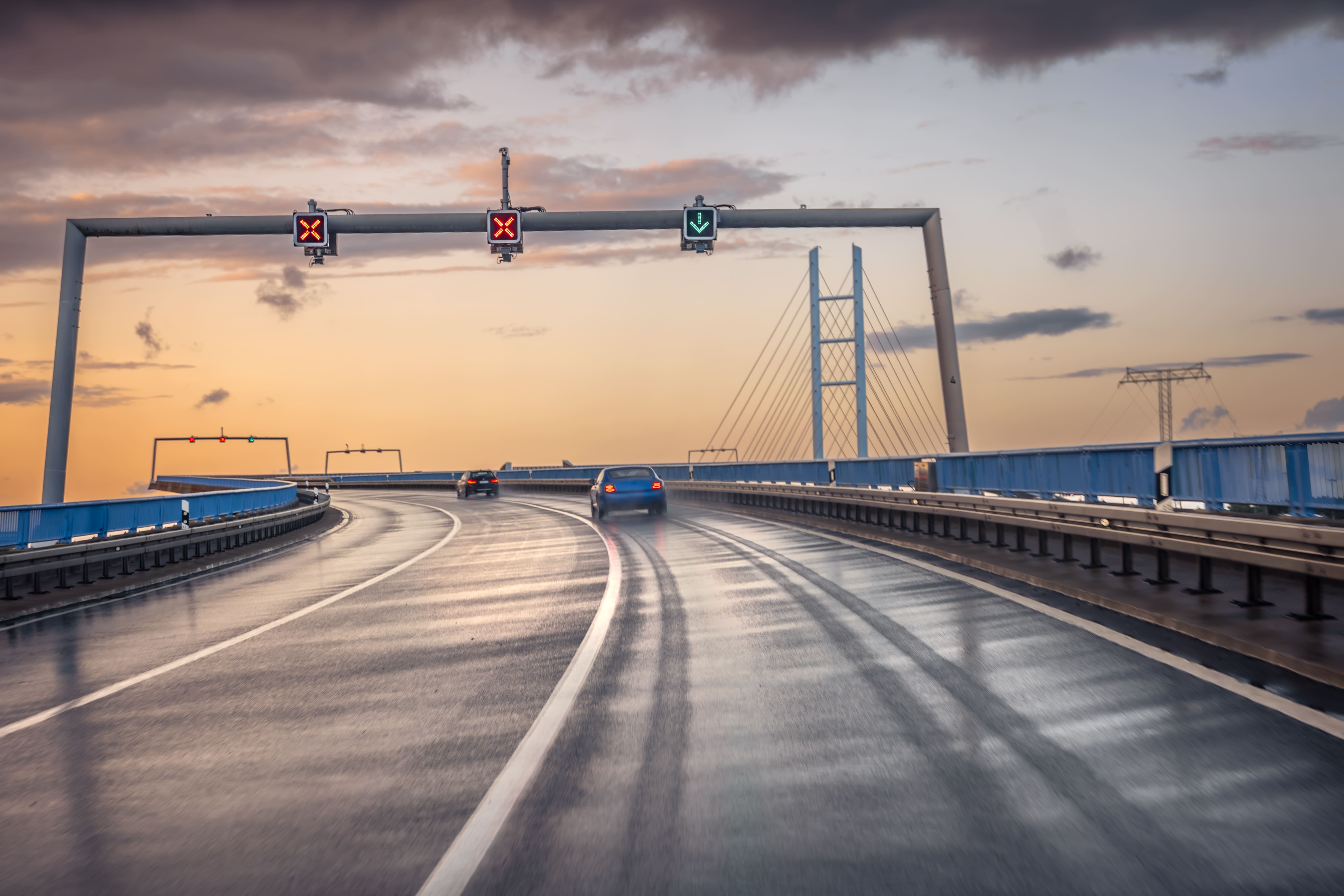
India has launched its first LiDAR-driven Multi-Lane Free Flow (MLFF) tolling system on select national highways, marking a major step toward barrier-free toll collection. The system is now operational at Manoharpur (Rajasthan) and Hyderabad (Telangana) through a partnership between NHAI and Cron AI. Using LiDAR, AI, ANPR cameras, and RFID-enabled FASTag integration, the platform detects and classifies vehicles in real time without requiring them to stop at toll plazas. The technology is designed to handle complex Indian traffic conditions and can process up to 30,000–35,000 vehicles daily. The rollout aims to reduce congestion, fuel consumption, travel time, and emissions while modernising India’s highway infrastructure.
Source : EPC World